Contents
BGA assembly is an SMT process that forms solder joints beneath a ball-grid-array package through controlled paste printing, placement, reflow, cooling, and inspection. Because the joints are hidden under the component, process control and X-ray inspection are more important than visual inspection alone.
How Does BGA Assembly Work?
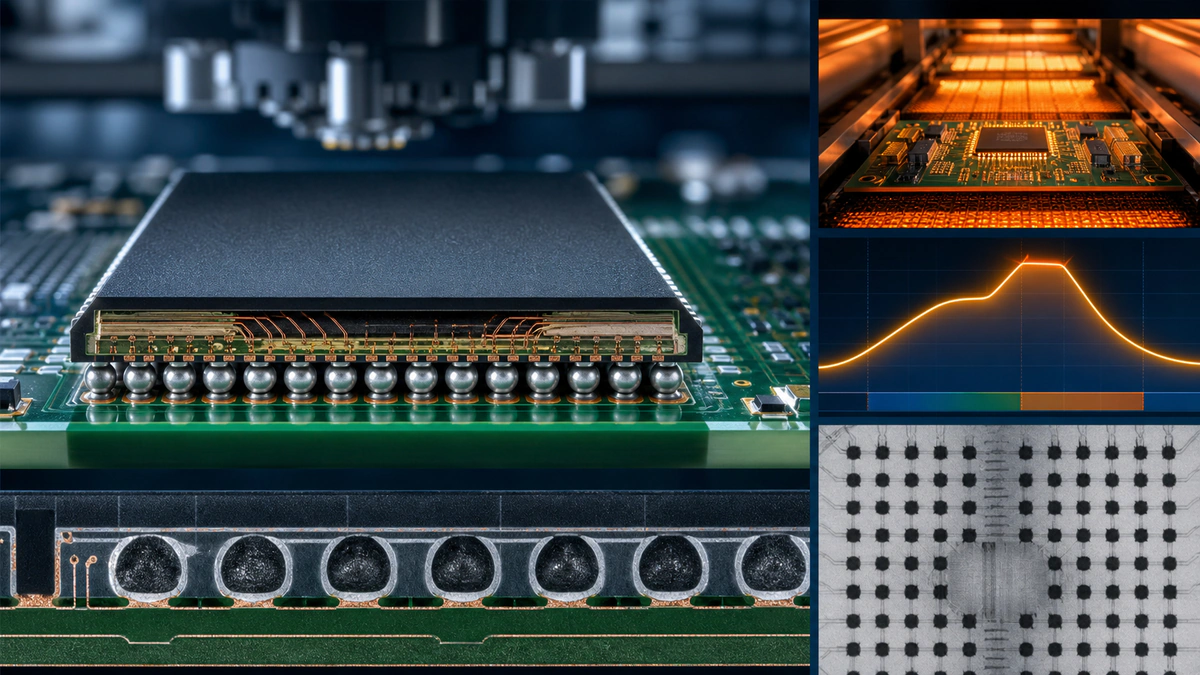
A BGA package connects to PCB lands through an array of solder balls. During reflow, the balls and printed solder form joints while surface tension helps center the package. Package pitch, ball alloy, PCB finish, pad definition, stencil design, board thermal mass, and the reflow profile all affect the result.
PCB and Stencil Requirements
Land pattern, solder-mask definition, via placement, pad finish, coplanarity, and stencil aperture design must match the package and assembly process. Open vias in BGA pads can drain solder and create voids or insufficient joints; via-in-pad structures normally require a qualified filled-and-capped process.
Placement and Reflow Controls
The placement system must use the correct package data, orientation, pickup tool, and placement force. The profile for the SMT reflow soldering process should be developed from the solder-paste specification, component limits, board thermal mass, and measured temperatures on the actual assembly. One universal oven recipe is not appropriate for every PCBA.
Common BGA Assembly Defects
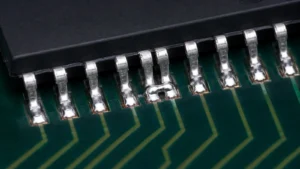
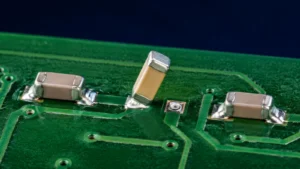
Typical defects include opens, bridges, head-in-pillow, non-wet opens, excessive voiding, pad cratering, package warpage, and solder extrusion. A defect must be traced to its physical cause instead of being treated only as an inspection failure.
How Are BGA Joints Inspected?
Automated optical inspection can verify package position and surrounding solder features, but it cannot see most hidden joints. X-ray inspection evaluates alignment, bridging, missing joints, void patterns, and gross anomalies. Electrical test and functional test provide additional evidence but do not replace process control.
BGA Assembly Release Checklist
Confirm package revision and orientation; verify land pattern and paste data; review via-in-pad construction; measure the reflow profile; define X-ray criteria; control moisture-sensitive devices; and record any rework or repair.
Need BGA Assembly Support?
Excel Circuit supports SMT assembly services and coordinates BGA layout with the BGA fanout guide. Request a PCBA review.