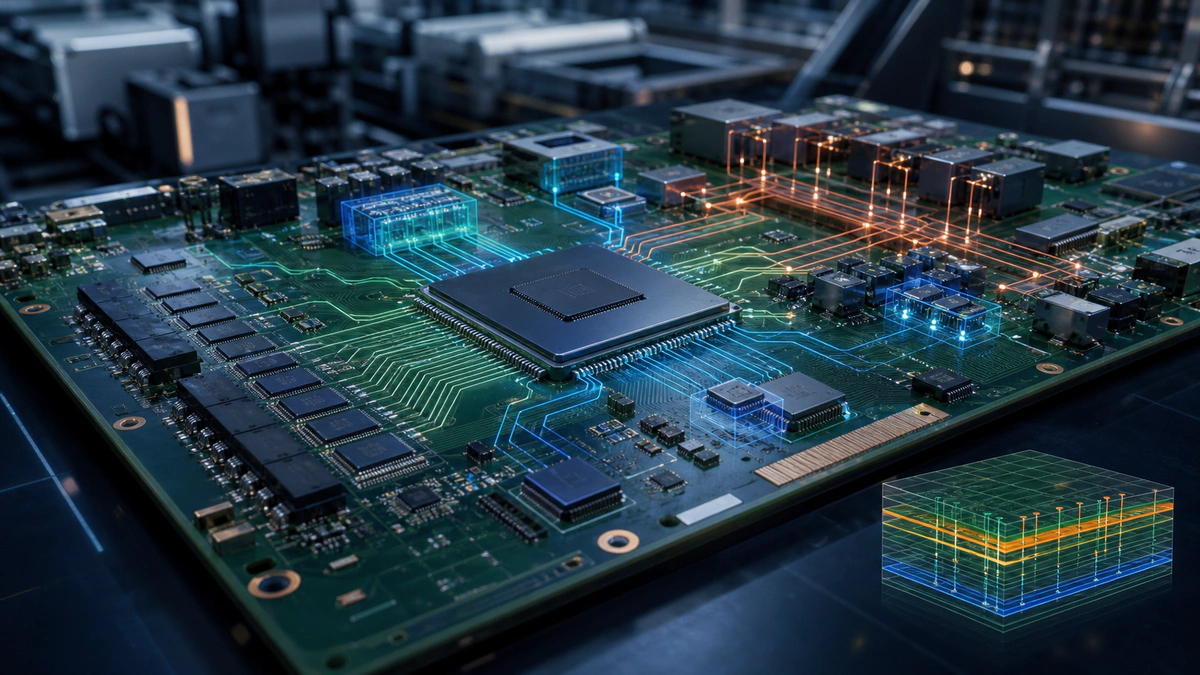
Featured Article
Embedded & FPGA PCB Design: From Architecture to Reliable Bring-Up
A practical engineering guide covering architecture, power sequencing, DDR routing, SI/PI verification, DFM, and reliable board bring-up.
Read Featured Article
A practical engineering guide covering architecture, power sequencing, DDR routing, SI/PI verification, DFM, and reliable board bring-up.
Read Featured Article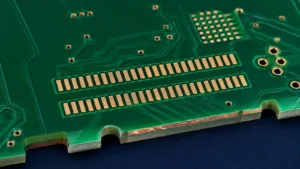
Review PCB solder mask openings, expansion, dams and pad or via treatment. Coordinate package recommendations, registration and exposed copper with fabrication and assembly requirements.
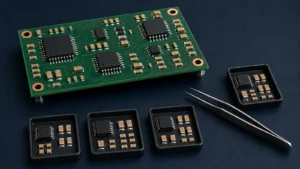
Learn how a BOM, AVL or AML, and approved supplier list control component choices, sourcing flexibility and PCB assembly releases.
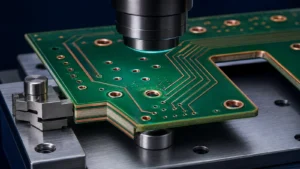
Understand variation in PCB traces, holes, outlines and thickness. Identify critical dimensions and document tolerance requirements that match electrical function, mechanical fit and the proposed fabrication process.
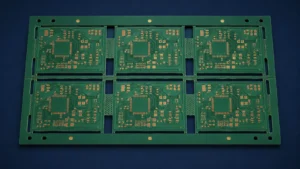
Choose a PCB array and breakaway method around board geometry, assembly handling and finished edge requirements. Compare V-scoring, routed tabs, tooling rails and depanelization risks.
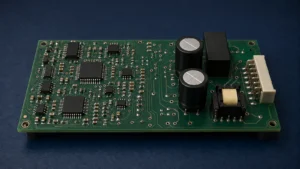
Plan the sequence for boards containing SMT and through-hole components. Review double-sided reflow, insertion, secondary soldering, thermal restrictions and inspection before production.
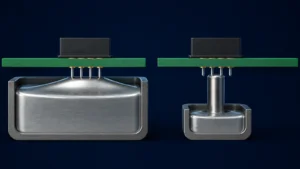
Compare wave and selective soldering against the actual PCB layout, access, thermal restrictions and production route. Use a decision matrix to identify the evidence needed for process selection.
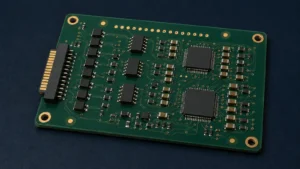
Review component placement, land patterns, tooling, soldering and test access before PCBA release. Use a practical DFA checklist to resolve assembly risks without overriding electrical requirements.
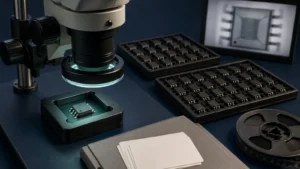
Learn how sourcing channels, supplier controls, lot records, incoming inspection and risk-based testing support component traceability and counterfeit prevention.
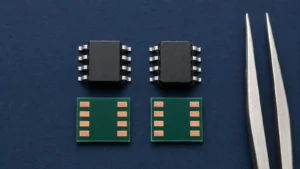
Evaluate alternate electronic components for electrical, package, pinout, thermal, firmware and production compatibility before approving a replacement.
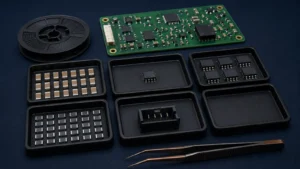
Identify lifecycle, lead-time, allocation, MOQ, data-quality and single-source risks in an electronic BOM before PCBA quotation and production.